Custom Glass Bottles for Brands and Packaging Buyers
Choose an existing bottle design, develop a new custom bottle, or add decoration to a suitable bottle. We align the bottle, closure, decoration, and export packaging with your project requirements.
Projects from 20,000 units are welcome for evaluation. Final MOQ depends on the bottle design, capacity, glass weight, colour, decoration and production plan.
- Brands and product manufacturers
- Importers and packaging buyers

Three Ways to Start Your Bottle Project
Choose the route closest to your current stage. We will check the specification, sampling requirements and production feasibility before commitments are made.
Use an Existing Bottle Design
Review a suitable current bottle design against your capacity, neck finish, closure, decoration and order quantity.
Develop a New Custom Bottle
Start from a drawing, sample, reference image or brief, then define the drawing, mould and sample approval route.
Decorate a Suitable Bottle
Match colour, coating, printing or other decoration to the bottle shape, artwork and production requirements.
Existing design does not mean ready stock
Bottles are normally made to order. Final MOQ, feasibility and commercial terms are confirmed after the project review.
Bottle Requirements Vary by Application
Select the closest application. We will review the bottle, closure, filling conditions, decoration and export packing together.

Spirits Bottles
For vodka, whisky, gin, rum, brandy and other spirit packaging.
- Capacity, glass weight and colour
- Closure and neck finish
- Decoration, label area and export packing
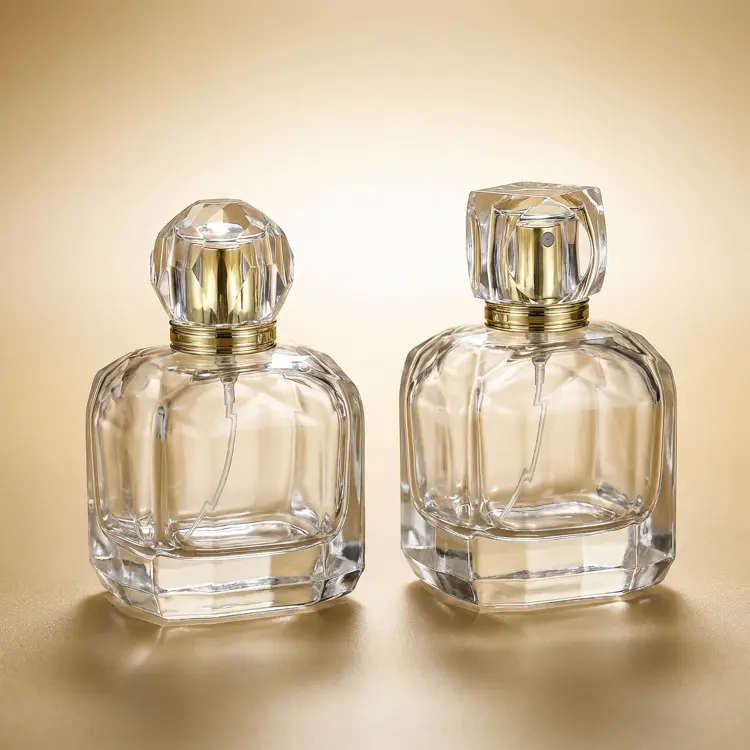
Perfume Bottles
For fragrance projects where bottle, pump, cap and decoration must work together.
- Neck and pump interface
- Pump, cap and bottle fit
- Surface finish and artwork direction

Glass Food Jars
For sauces, preserves, spreads, condiments and other food products.
- Opening size and jar geometry
- Lid and finish specification
- Filling, processing and packing conditions

Beverage Bottles
For water, juice, soft drinks and other beverage projects.
- Filling process and intended use
- Closure and neck specification
- Handling and transport packing
Six Decisions That Shape a Custom Bottle Project
A useful review connects the technical and commercial variables that determine feasibility, sampling, MOQ and production planning.
Bottle Specification
Capacity, dimensions, glass weight, colour, shape and neck finish.
Mould & Sample Route
Existing or new mould, drawing checkpoints and approval method.
Closure Compatibility
Closure drawing or sample, neck dimensions and filling conditions.
Decoration
Artwork, colour reference, coverage, finish and bottle geometry.
Quality Checkpoints
Critical dimensions, visual standards and agreed verification points.
Export Packing
Dividers, cartons, pallets, loading method and route conditions.
From Requirement Review to Export Packing
Each stage creates a clear approval point. Actual dates and commercial terms are confirmed after the project variables are reviewed.
Requirement Review
Application, quantity, target market, closure, decoration and timing.
Specification & Drawing
Confirm the route, bottle specification and drawing checkpoints.
Sample & Approval
Record feedback and define the approved production basis.
Production & Quality Checks
Produce to the approved specifications and agreed quality checkpoints.
Packing & Delivery
Apply the approved packing and loading plan.
See Bottle Options, Production, Inspection, and Export Packing
Real visual material already used by MISA. The applicable process and checkpoints are confirmed for each project.

Bottle Formats

Production

Inspection

Export Loading
Custom glass bottle project FAQ
Review the questions buyers often ask before starting a custom glass bottle project.
What is the MOQ for a custom glass bottle project?
Projects from 20,000 units are welcome for evaluation. Final MOQ depends on bottle design, capacity, glass weight, colour, decoration and production requirements. If your quantity is still being planned, share the closest estimate and we will review the suitable production route.
Does an existing mould mean the bottle is in stock?
No. An existing mould may reduce development steps, but it does not mean the bottle is in stock or ready to ship. Bottles are normally made to order after the mould condition, specification and quantity are confirmed.
What is needed to develop a new bottle mould?
Start with target capacity, shape, a reference image or drawing, closure or neck requirements, glass colour, estimated quantity and application. We can then review the specification, drawing and sample plan. Mould scope, charges and the approval route are confirmed in the project quotation or contract.
How are samples handled?
The sample route depends on the project and may involve an existing reference sample, prototype, trial mould or production sample. Sample availability, cost, timing and freight are confirmed case by case.
What decoration options can be reviewed?
Options that can be evaluated include coating or spray colour, screen printing, decal, frosting, hot stamping, labelling and a moulded logo. Each route is confirmed against the bottle shape, quantity, artwork and production route. A moulded logo is reviewed as part of the bottle and mould design.
How do you review closure compatibility?
Provide the closure drawing, specification or physical sample whenever possible. The bottle neck finish, dimensions and agreed fit or performance checkpoints can then be reviewed with the closure and filling requirements before production approval.
How is glass breakage risk handled for export shipments?
Glass requires a project-specific packing and loading plan. Cartons, dividers, pallets, wrapping and container loading should be reviewed against bottle shape, weight and route conditions. The final packing method is confirmed for each project; no packing method can remove all breakage risk.
What is the project timeline?
Timing depends on specification readiness, mould route, sample approvals, decoration, quantity, production scheduling, quality checkpoints and shipping arrangements. Stage dates are confirmed after the project review rather than presented as one standard lead time.
What information should I provide first?
You can start with the application, target capacity, estimated quantity and a reference image or sample if available. Full drawings are not required for first contact. Closure, decoration, destination and target timing can be added as they become known.
Request a Project Review
Share the basic information you already have. A complete drawing or final technical specification is not required for the first contact.
- Product or application, estimated quantity and target market
- Reference image, closure or decoration details when available