The Complete Guide to Beverages in Glass Bottles: B2B Sourcing and Customization
Why leading brands are switching to glass packaging—and what procurement teams need to know
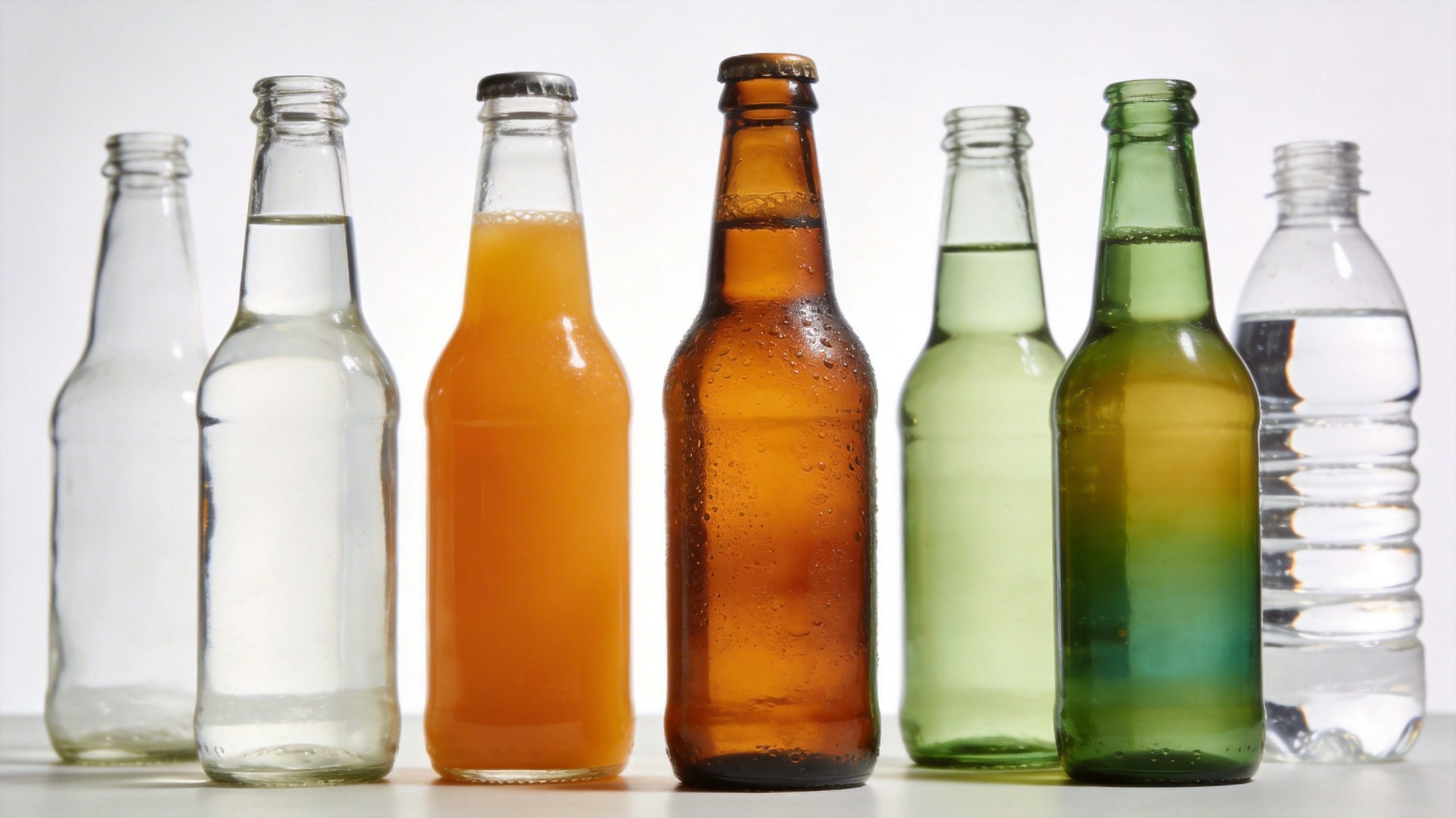
In an industry where packaging choices directly impact brand perception, product quality, and bottom-line costs, B2B beverage buyers face critical decisions every day. After two decades of serving premium beverage brands worldwide, one trend has become unmistakably clear: glass bottled beverages are experiencing a renaissance.
If you're evaluating packaging options for your beverage line, this comprehensive guide covers everything from material science to procurement logistics—helping you make informed decisions that serve both your brand and your budget.
Why Glass Bottles for Beverages? The Business Case
Superior Product Preservation
Glass isn't just a container—it's a protective environment for your product. Unlike plastic, which can leach chemicals and absorb odors over time, glass is chemically inert. This fundamental difference impacts your beverage in ways that matter:
- Zero chemical transfer: No BPA, phthalates, or plasticizers compromising your formula
- Oxygen barrier excellence: Modern glass formulations maintain carbonation and prevent oxidation
- Temperature resilience: Perfect for hot-fill processes, pasteurization, and cold-chain distribution
- Flavor integrity: Your product tastes exactly as intended—from production to consumption
For craft beverages, craft sodas, and specialty drinks where flavor nuance differentiates your brand, packaging integrity isn't optional. It's essential.
Consumer Perception and Market Positioning
Research consistently shows that packaging material shapes purchase decisions. Glass communicates quality in ways plastic simply cannot:
| Perception Factor | Glass Advantage |
|---|---|
| Premium positioning | 67% of consumers perceive glass-packaged beverages as higher quality |
| Purchase intent | Consumers willing to pay 15-30% more for glass-packaged alternatives |
| Sustainability preference | 73% prefer glass for environmental reasons |
| Brand recall | Glass creates stronger visual differentiation on shelf |

Glass vs. Plastic: Direct Comparison for B2B Decision-Making
| Consideration | Glass Bottles | Plastic Bottles |
|---|---|---|
| Chemical safety | Chemically inert, no leaching | Can leach additives into product |
| Oxygen protection | Excellent barrier properties | Requires special coatings |
| Shelf life impact | Minimal degradation | Variable by resin type |
| Weight/shipping | Heavier (impacts freight) | 40-60% lighter |
| Durability | Breakage risk during handling | More impact-resistant |
| Temperature range | Excellent (-80°C to 300°C) | Limited (typically <100°C) |
| Recyclability | Infinite recycling, 100% recoverable | Limited cycles, downcycling common |
| Premium perception | High—quality association | Low—commodity perception |
| Total cost of ownership | Higher upfront, favorable long-term | Lower initial, variable returns |
For brands targeting premium market segments, glass packaging typically delivers superior ROI through enhanced brand value and consumer loyalty—despite higher initial costs.
Types of Glass Bottles for Different Beverages
Matching the right bottle to your product is crucial for both preservation and presentation. Here's how leading B2B buyers make these decisions:
Beer and Cider Bottles
Standard Longneck (12oz/355ml) The industry standard for craft beer. Compatible with crown cork closures, widely available, cost-effective for high volumes.
Belgian-style Bottles Distinctive bulbous bases and taller profiles. Perfect for Belgian ales, abbey beers, and premium craft positioning.
Swing-top Bottles Reusable option with cork or rubber gasket closure. Appeals to sustainability-conscious consumers and craft breweries.
Wine Bottles (750ml Standard)
Bordeaux Style Straight sides, high shoulders. Classic presentation for red wines and full-bodied whites.
Burgundy Style Sloping shoulders, more rounded profile. Traditional choice for Pinot Noir and Chardonnay.
Champagne/Mousseux Thicker glass walls to withstand carbonation pressure. Essential for sparkling wines.
Spirits Bottles
750ml Spirits Standard Industry standard for whiskey, vodka, gin, and rum. Multiple closure options (cork, synthetic, screw-top).
Miniatures (50ml, 100ml) Travel-sized and sampler formats. Growing demand for premium craft spirits samples.
Premium/Prestige Shapes Unique silhouettes that define brand identity. Higher mold costs but strong brand differentiation.
Non-Alcoholic Beverages
Kombucha Bottles Typically 12-16oz with swing-top or pry-off closures. Dark amber glass protects live cultures.
Craft Sodas Longneck or custom shapes, often with screen-printed labels or embossing for brand distinction.
Juices and Functional Beverages Clear or colored glass depending on light sensitivity. Hot-fill compatible bottles for pasteurized products.

Specifications and Sizing Guide
Common Bottle Sizes for Beverages
| Volume | Metric | Best Applications |
|---|---|---|
| 100ml | 3.4oz | Samples, single-serve premiums, gift sets |
| 200ml | 6.8oz | Individual servings, craft beer flights |
| 250ml | 8.5oz | Craft sodas, kombucha, specialty drinks |
| 330ml | 11.2oz | European-style beers, premium sodas |
| 355ml | 12oz | Standard North American beer/soda |
| 500ml | 16.9oz | Larger format craft beverages |
| 750ml | 25.4oz | Wine, spirits, premium craft |
| 1L | 33.8oz | Bulk beverages, foodservice |
Neck Finish and Closure Compatibility
Your bottle's neck finish determines which closures work:
| Closure Type | Neck Finish | Applications |
|---|---|---|
| Crown Cork | 28mm PCO/Pratt | Beer, craft sodas, carbonated drinks |
| PT (Press-Twist) | 28mm | Growing craft beverage preference |
| BVS (Wine) | 30x60mm | Wine, premium spirits |
| Swing Top | Various | Kombucha, craft beer, artisanal products |
| Cork | 18-22mm | Spirits, wine |
Glass Types: Extra Flint vs. Flint
Extra Flint (Crystal Glass)
- Highest clarity—nearly water-white appearance
- Ideal for premium beverages where visual presentation is paramount
- Allows product color and label artwork to stand out
- Recommended for: Premium spirits, craft beverages, high-end positioning
Flint (Standard Clear Glass)
- Slight green or blue tint (natural glass coloring)
- Industry standard for most applications
- More cost-effective for volume production
- Recommended for: Mainstream beverages, high-volume lines
Colored Glass Options
- Amber: Maximum UV protection—essential for light-sensitive beers and juices
- Green: Classic wine and beer aesthetic with moderate UV protection
- Cobalt Blue: Premium visual appeal with good UV protection
- Dead Leaf: Increasingly popular for craft spirits and artisanal positioning

Understanding Minimum Order Quantities, Costs, and Lead Times
Transparent procurement information helps B2B buyers plan effectively. Here's what you need to know:
Minimum Order Quantities (MOQ)
| Glass Type | Typical MOQ | Recommended For |
|---|---|---|
| Extra Flint (Custom) | 20,000 units | Premium craft brands, established companies |
| Extra Flint (Stock) | 10,000 units | Brands with flexibility needs |
| Flint (Custom) | 100,000 units | Major brands, national distribution |
| Flint (Stock) | 50,000 units | High-volume mainstream beverages |
Custom branding (screen printing, embossing) typically requires additional MOQ. Contact us for specific requirements.
Investment Breakdown
Mold Costs for Custom Bottles
| Mold Type | Investment Range | Best For |
|---|---|---|
| Standard single-cavity | $5,000 - $10,000 | Simple bottle shapes |
| Complex custom | $10,000 - $20,000 | Unique silhouettes, premium positioning |
| Multi-cavity precision | $20,000+ | High-volume production, tight tolerances |
Mold costs are typically amortized over production volume, making per-unit costs more favorable at higher quantities.
Per-Unit Pricing Factors
- Order volume (economies of scale apply)
- Glass type (Extra Flint commands premium over Flint)
- Color and finish requirements
- Closure specifications
- Custom branding/finishing
- Shipping and logistics
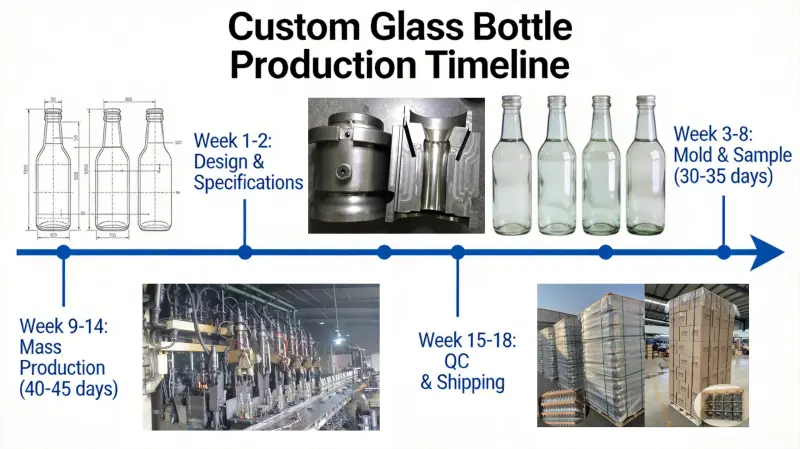
Production and Delivery Timelines
| Order Type | Lead Time | Notes |
|---|---|---|
| Stock bottles (in warehouse) | 7-15 days | Fastest option for immediate needs |
| Stock + custom branding | 15-25 days | Screen printing, labeling production |
| Standard custom orders | 25-35 days | From design approval to shipment |
| Complex custom orders | 35-50 days | Unique shapes, special colors, molds |
All timelines are estimates from order confirmation. Actual lead times depend on factory scheduling, shipping method, and logistics factors.
Misa Glass: Your Strategic Packaging Partner
After 20+ years serving beverage brands across North America, Europe, and Asia-Pacific, Misa Glass has earned our reputation through consistent delivery on promises that matter to B2B buyers:
Our Capabilities
- Extensive stock inventory: Thousands of bottles ready for immediate shipment
- Custom manufacturing: Full-service mold development and production
- Quality assurance: Every batch meets international food safety standards
- Global logistics: Reliable delivery to wherever you operate
Why B2B Buyers Choose Us
Flexible MOQ Options From emerging craft brands to established beverage companies, we structure orders to match your scale and growth trajectory.
Transparent Pricing Detailed quotes with no hidden fees. You know exactly what you're paying for before commitment.
Technical Consultation Our packaging specialists help optimize bottle specifications for your specific product requirements—preservation, presentation, and cost-effectiveness.
Quality Guarantees Comprehensive documentation and quality certifications for food-safe glass packaging.
Dedicated Account Management Single point of contact for seamless communication throughout your procurement cycle.
Ready to Source Glass Bottles for Your Beverages?
Whether you're launching a new product line, transitioning from plastic, or optimizing your current packaging supply chain, Misa Glass has the expertise, inventory, and manufacturing capabilities to support your goals.
Get Started Today
📧 Email: [email protected]
Our team responds to inquiries within 24 hours with detailed quotes and specifications. Share your requirements—beverage type, volume needs, timeline, and any custom specifications—and we'll provide options tailored to your situation.
For immediate assistance, include your current production volume, target launch date, and any existing packaging specifications you're working with.
Looking for more resources? Explore our complete guide to glass bottle specifications or contact our sales team for personalized recommendations.
Ready to elevate your beverage brand with premium glass packaging? Contact Misa Glass for a consultation and competitive quote.